
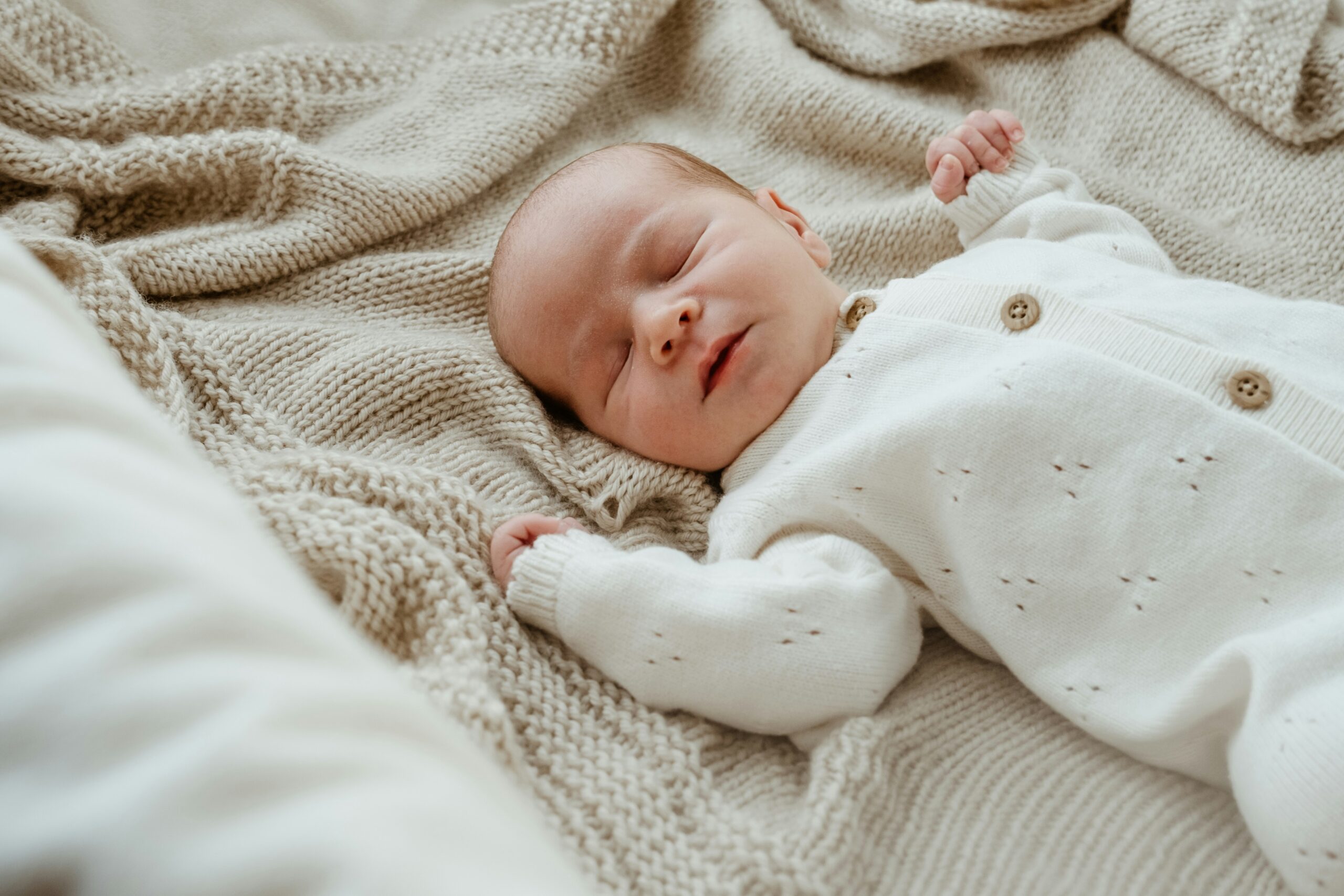
There is a foundational idea in psychology that the relationships we form in the first years of life leave a blueprint, one that quietly shapes how we experience closeness, conflict, and connection for decades to come. That blueprint is what researchers call attachment style, and understanding yours can be one of the most clarifying things you do for your mental health and your relationships.
Where Attachment Theory Comes From
Attachment theory was originally developed by British psychiatrist John Bowlby, who argued that the bond between a child and their primary caregiver is not simply a matter of comfort or convenience but a biological and psychological necessity. The quality of that early bond, he proposed, shapes the developing child's internal working model of relationships: their expectations about whether others will be available, responsive, and safe.
Researcher Mary Ainsworth later expanded on Bowlby's work through her now-famous Strange Situation studies, observing how young children behaved when separated from and then reunited with their caregivers. Her observations produced the original three attachment categories: secure, anxious-ambivalent, and avoidant. A fourth category, disorganized attachment, was later identified by researchers Main and Hesse in 1986, and is described in peer-reviewed literature published through the National Library of Medicine as characterized by the presence of both avoidant and anxious traits, reflecting a lack of a coherent attachment strategy.
The Four Attachment Styles at a Glance
Secure attachment develops when a caregiver is consistently responsive, attuned, and emotionally available. Adults who developed secure attachment in childhood tend to feel comfortable with both intimacy and independence. They trust others, communicate their needs with relative ease, and recover from conflict without excessive anxiety. Research published in Scientific Reports and indexed in the NIH database found that secure attachment is consistently associated with greater emotional resilience and lower vulnerability to mental health disorders.
Anxious attachment (sometimes called anxious-ambivalent or preoccupied attachment) develops when caregiving is inconsistent, sometimes warm and available, sometimes not. The child, unable to predict when comfort will come, learns to intensify their attachment behaviors to keep the caregiver close. In adulthood, this can look like hypervigilance in relationships, a strong fear of abandonment, difficulty self-soothing, and a tendency to seek constant reassurance. Research published in PMC found that anxious attachment style predicts higher levels of depression, anxiety, and lower self-esteem in adulthood.
Avoidant attachment (also called dismissive-avoidant) forms when caregivers are consistently emotionally unavailable, rejecting of the child's emotional needs, or dismissive of distress. The child learns to suppress emotional needs to avoid disappointment. Adults with avoidant attachment often pride themselves on self-sufficiency, feel uncomfortable with emotional intimacy, and may withdraw when relationships become too close. Research in PMC notes that avoidant individuals tend to inhibit and control their emotions, avoiding closeness and committed relationships, which can lead to internalized emotional distress over time.
Disorganized attachment (also called fearful-avoidant) is associated with early trauma, abuse, or caregivers who were themselves a source of fear. It is the most clinically complex of the four styles because it does not follow a consistent strategy: the person simultaneously wants closeness and fears it, often oscillating between the two in ways that can be confusing to themselves and their partners. A 2025 study published in Scientific Reports found that disorganized attachment is significantly associated with early traumatic experiences, including emotional abuse, emotional neglect, and physical abuse.
Why This Matters for Your Mental Health
Attachment styles are not destiny. Research consistently shows that attachment patterns formed in childhood can be understood, processed, and changed through meaningful therapeutic work, secure adult relationships, and self-awareness. According to research published in the NIH's PubMed database, insecure attachment styles (anxious and avoidant) both independently predict higher rates of anxiety and depression in adulthood, underscoring why this framework has become so central to modern mental health treatment.
Understanding your attachment style is not about assigning blame to your parents or your past. It is about gaining clarity on the patterns that may be keeping you stuck, and taking the first step toward something different.
This article is for informational purposes only and is not a substitute for professional medical advice. Please consult a licensed healthcare provider for diagnosis and treatment.
References:
- PMC National Library of Medicine. Neuroscience of Human Social Interactions and Adult Attachment Style. pmc.ncbi.nlm.nih.gov/articles/PMC3398354
- PMC National Library of Medicine. Does Adult Attachment Style Mediate Childhood Maltreatment and Mental Health Outcomes? pmc.ncbi.nlm.nih.gov/articles/PMC5685930
- PMC National Library of Medicine. Mediating Role of Adult Attachment Styles Between Early Traumas and Suicidal Behaviour. pmc.ncbi.nlm.nih.gov/articles/PMC12056111
- Scientific Reports. The Mediating Role of Adult Attachment Styles Between Early Traumas and Suicidal Behaviour. nature.com/articles/s41598-025-00831-8
- PubMed. Associations Between Adult Attachment Style and Mental Health Care Utilization. pubmed.ncbi.nlm.nih.gov/26213376
Location
12443 San Jose Blvd. Suite 601-D
Jacksonville, FL 32223
d
©Kairos Psychiatry PLLC 2026. All rights reserved.